
What happened with Quad9 and France?
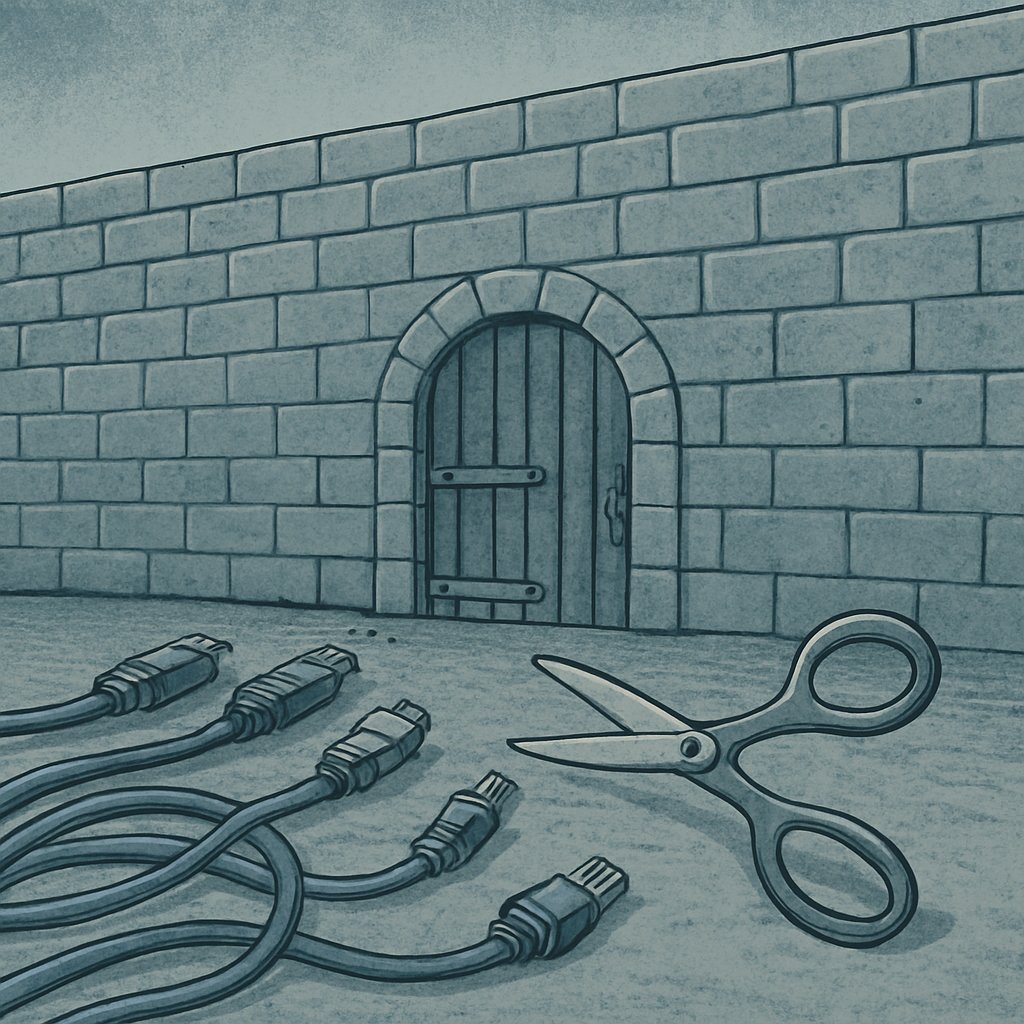
Quad9 is a free, public DNS resolver — a service that translates domain names like “example.com” into the numerical addresses computers actually use to connect. French courts ordered Quad9 to block certain domains at the DNS level, meaning anyone using Quad9 would simply be unable to reach those sites. Rather than comply, Quad9 withdrew its service from France entirely.
On the surface, this looks like a legal dispute in one country. In practice, it reveals something important about how governments are starting to treat internet infrastructure — and what that means for anyone who runs a website or server.
The technical problem with DNS blocking
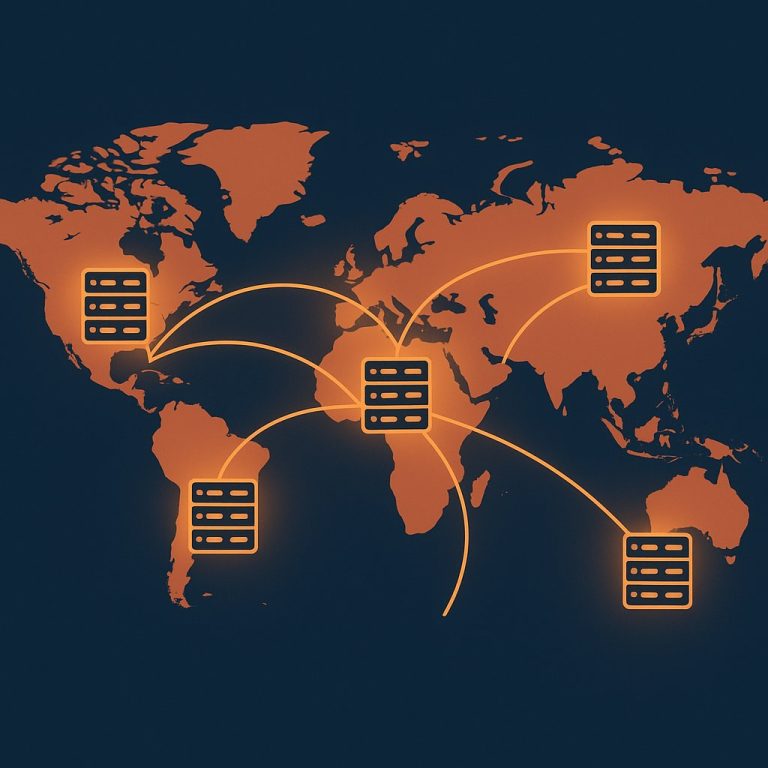
Forcing a DNS resolver to block domains is a blunt instrument. DNS was designed to route traffic reliably, not to police content. When a resolver is turned into a filter, it creates a split internet: the same address works for some users and not others, depending on which DNS service they happen to use. That breaks the basic assumption that a URL is a universal address.
For website owners, this matters directly. If your site ever ends up on a blocklist — through mistaken identity, a legal complaint you know nothing about, or simply sharing a hosting IP with a flagged neighbour — your visitors in certain countries may silently lose access with no error message explaining why. You may not even know it is happening.
A pattern that is spreading
France is not alone. Several European countries have used DNS blocking as a quick fix for piracy, terrorism content, and gambling laws. The Quad9 case is unusual because it targeted a non-profit resolver that had no commercial relationship with the blocked sites at all. The logic, taken to its conclusion, means any public DNS service becomes liable for what anyone on the internet publishes.
Cloudflare, which wrote the analysis of this case, points out that this approach is technically flawed and easy to circumvent with a VPN or a simple DNS settings change. It stops ordinary users, not determined ones, while adding legal and operational costs to the neutral infrastructure everyone depends on.
What you should do now
If you self-host or run a small server, check which DNS resolver your server and your users rely on. Consider whether your hosting provider offers any visibility into DNS-level blocks affecting your domain. If you operate across multiple countries, it is worth monitoring whether your site is reachable from different regions — free tools like dnschecker.org can help with this.
The bigger picture is that DNS infrastructure — long treated as neutral plumbing — is being drawn into content regulation. As more countries follow France’s lead, the patchwork of regional blocks will grow. Website operators who assume a working domain name is universally accessible are increasingly going to be wrong.