Breaking Lab srl



The price that seems impossible
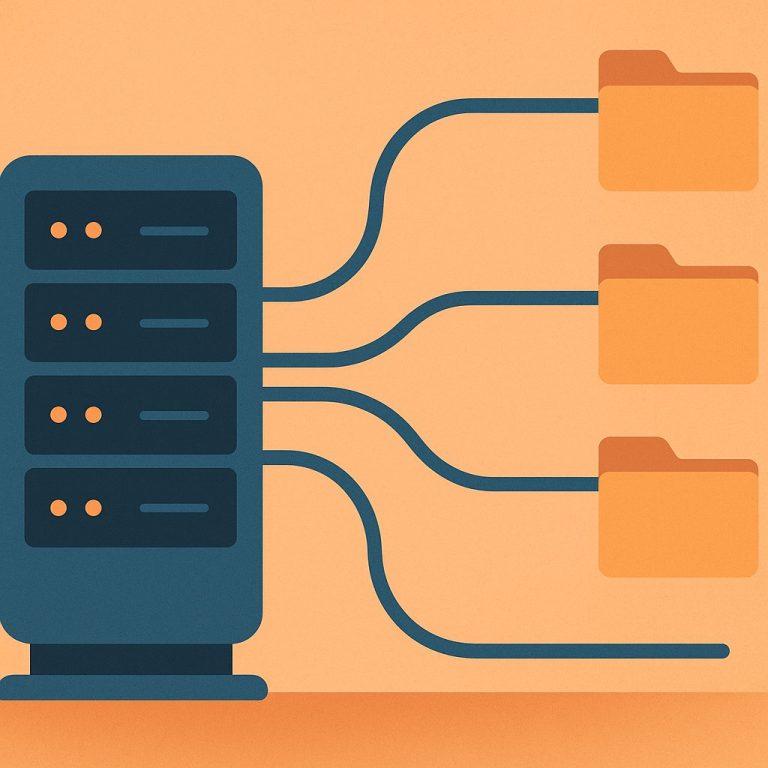
A virtual private server — a slice of a real physical machine rented to you over the internet — costs real money to run. Hardware wears out. Electricity bills arrive every month. Network bandwidth is not free. Datacentre floor space costs money. So how can anyone sell you one for $2 a month and stay in business?
The answer matters, because it shapes what you actually get for that price — and what you should never expect from it.
How the numbers work
A single physical server can be split into dozens of virtual machines. The more VMs (virtual machines — isolated software instances sharing the same hardware) a host squeezes onto each box, the lower the cost per customer. Budget providers push this to the limit. They buy older, fully depreciated hardware cheap, pack it densely, and operate in lower-cost datacentres — often in Eastern Europe, Asia, or smaller US markets where power and space are cheaper.
Your $2 covers roughly: a thin slice of CPU time, a small block of RAM, a portion of a spinning hard disk (rarely a fast SSD at this price), and a small monthly data allowance. Support is usually minimal or community-based. Uptime guarantees, if they exist at all, are modest.
What you are really trading away
The biggest hidden cost of a $2 VPS is noisy neighbours — other customers on the same physical machine whose workloads eat into shared CPU and disk performance. You have no control over this. On a quiet afternoon your server might feel fine. During a traffic spike from someone else’s box, it can crawl.
Storage is the other weak point. Many ultra-cheap plans still use spinning hard drives (HDDs) in a RAID array shared across many VMs. Random read and write speeds can be painfully slow compared to an SSD-backed plan costing a few dollars more.
Backups are rarely included. If the host disappears — and some do — your data goes with it.
Where a $2 VPS makes sense
None of that makes them useless. A $2 server is perfectly reasonable for: learning Linux on a live system, running a lightweight personal site with low traffic, hosting a small bot or script, or testing a configuration before deploying it somewhere more reliable. It is not the right tool for a business site, a database with real users, or anything where downtime costs you money.
The real takeaway
Ultra-cheap hosting will always exist because the economics allow it — and because there is genuine demand for throwaway or experimental servers. The providers who survive long-term tend to be transparent about the trade-offs rather than hiding them in fine print. Understanding what actually sits behind a low price helps you choose the right tier for the job, rather than blaming the server when it behaves exactly as the economics predicted it would.