Breaking Lab srl


The trick is simple — and it works
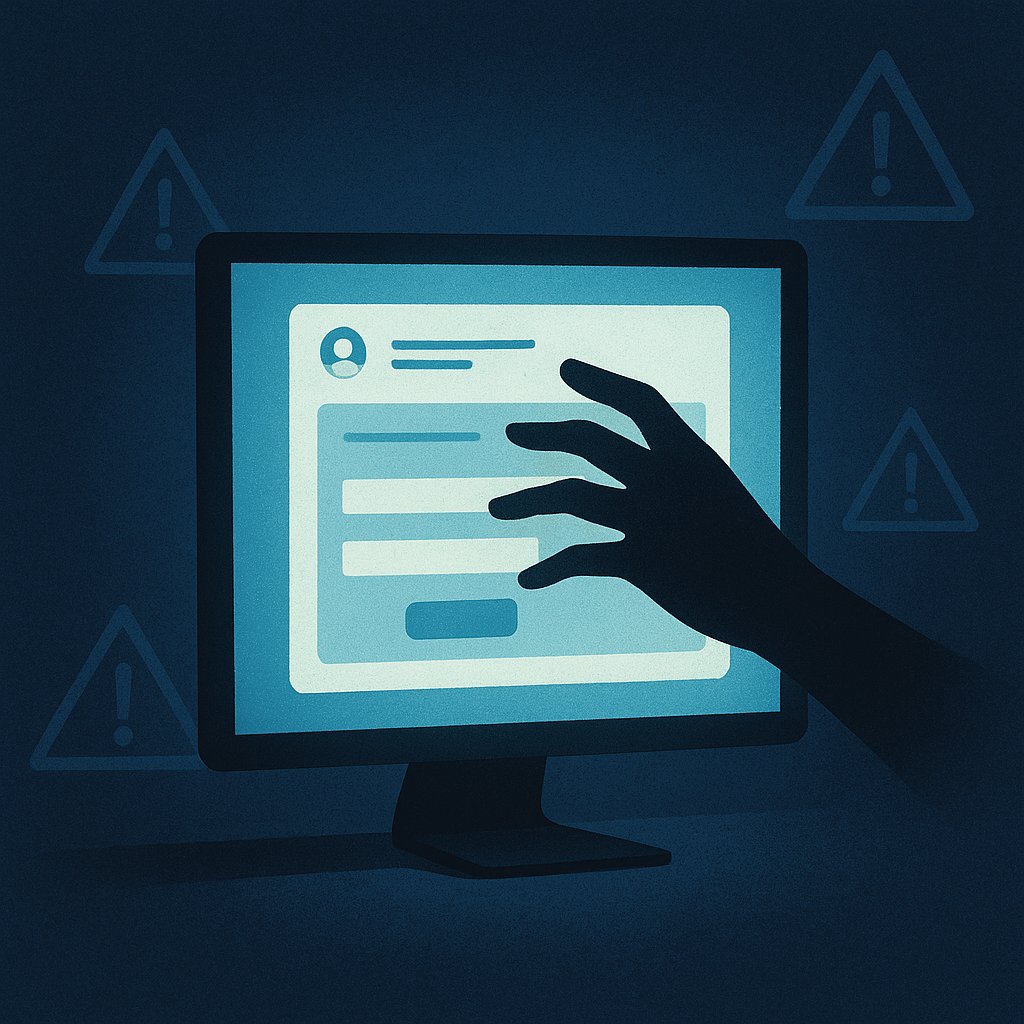
Imagine someone from your finance team gets an offer. A new tool promises to automate expense reports, or speed up payroll. It looks real. It has a download link. They install it — and hand over the keys to your company network without realising it.
That is exactly what a wave of recent attacks is doing. Hackers are building fake desktop applications — software that appears to do something useful but exists purely to capture login credentials or session tokens (the small data files that prove you are already logged in). Finance and HR departments are the main targets because those teams handle money, payroll data, and sensitive employee records.
Why fake apps are more dangerous than fake emails
Most people have learned to be suspicious of a dodgy link in an email. A downloadable application feels different. It feels like a real product. Attackers know this. By the time a victim notices something is wrong — if they notice at all — the credentials have already been sent back to the attacker’s server.
These fake tools are often offered through professional networks, direct messages, or even targeted adverts. The attacker may have researched the company first, so the fake app solves a problem the team actually has. That research makes the pitch convincing.
What to do if you run a small team or server
If you manage a website or server with even a small team, the risk is real. A stolen set of admin credentials is enough to take down a site, drain a hosting account, or expose customer data. Here are three practical steps:
Stick to known sources. Only install software from official vendor websites or well-established app stores. If a tool showed up unsolicited, treat it as suspect regardless of how polished it looks.
Use multi-factor authentication (MFA) — that is, requiring a second check beyond a password, such as a code sent to your phone — on every account that matters. Even if credentials are stolen, MFA stops most attackers from using them immediately.
Limit who can install software. On shared servers or team machines, restrict installation rights to one trusted person. The fewer entry points, the smaller the risk.
The bigger picture
Attackers are getting better at impersonating legitimate software, and the targets are shifting from technical staff toward the people who control money and data. As AI tools make it cheaper to build convincing fake interfaces, expect this kind of attack to become more common. The best defence is simple scepticism: if a tool arrived out of nowhere, ask hard questions before you click install.